
The world’s carbon markets, specifically the Voluntary Carbon Market (VCM), have evolved significantly since their inception. From modest beginnings, the VCM has grown into a key player in the fight against climate change, enabling businesses to offset their emissions by purchasing carbon credits. The market, however, initially lacked unity. Fragmentation and varying standards created challenges for businesses looking to use carbon credits as part of their sustainability strategies.
This article explores how the carbon credits market was once divided, how it’s realigning to meet the evolving needs of businesses, and why this realignment makes the carbon credit market sustainable for the future. We will take a deep dive into the historical context, the market’s divisions, and the crucial role carbon credits play in creating a more unified, efficient, and sustainable carbon trading landscape.
The VCM emerged in the early 2000s, driven by growing awareness of climate change and the need for organizations to mitigate their carbon emissions. Initially, the market was disjointed. Carbon credits, essentially certificates representing a ton of CO2 removed from the atmosphere, were issued by different entities under varying standards. Without a central authority or standardized practices, buyers struggled to ensure the credibility of the carbon credits they were purchasing.
Despite these challenges, the voluntary market provided companies an opportunity to invest in climate action, but it lacked cohesion and trust, leading to limited engagement.
As demand for carbon credits grew, the market faced deeper fragmentation. Various organizations, from NGOs to private enterprises, started creating their own carbon credit standards. These differing standards, such as the Gold Standard, Verified Carbon Standard (VCS), and others, led to complexity. The lack of a unifying framework meant that carbon credits could be generated in different ways with varying levels of accountability and impact.
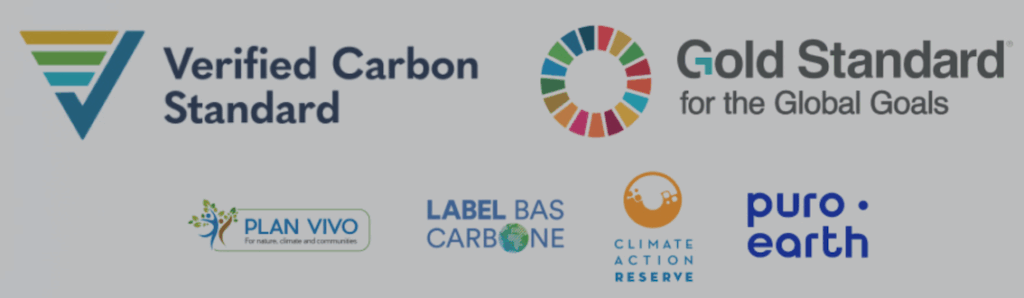
The fragmented structure created barriers to entry for companies looking to offset their emissions. Without clear guidance, businesses faced challenges in understanding the actual environmental impact of their purchases, leading to skepticism about the effectiveness of the market.
Over time, the need for a more organized and reliable system became clear. Businesses were seeking clarity and reliability, not just in the quantity of credits, but in the integrity of the projects behind them. Carbon credits were not merely about compensating for emissions—they were part of broader sustainability strategies. As companies recognized this, there was a growing push for standardization.
As a result, the demand for a more structured carbon credits market grew, and this set the stage for realignment. By focusing on quality, standardization, and transparency, businesses could now engage more confidently in the market.
The realignment of the carbon credits market came with the advent of a clearer regulatory framework and efforts to consolidate the various standards. One of the most significant milestones was the agreement to create universally recognized standards for carbon credit generation and trade. These global standards included harmonized methodologies for measuring carbon reductions, ensuring that the credits generated were both credible and impactful.
The role of carbon exchanges: Carbon credit trading platforms such as the European Union Emissions Trading System (EU ETS) helped integrate businesses into a cohesive global carbon market, simplifying the buying and selling of carbon credits.
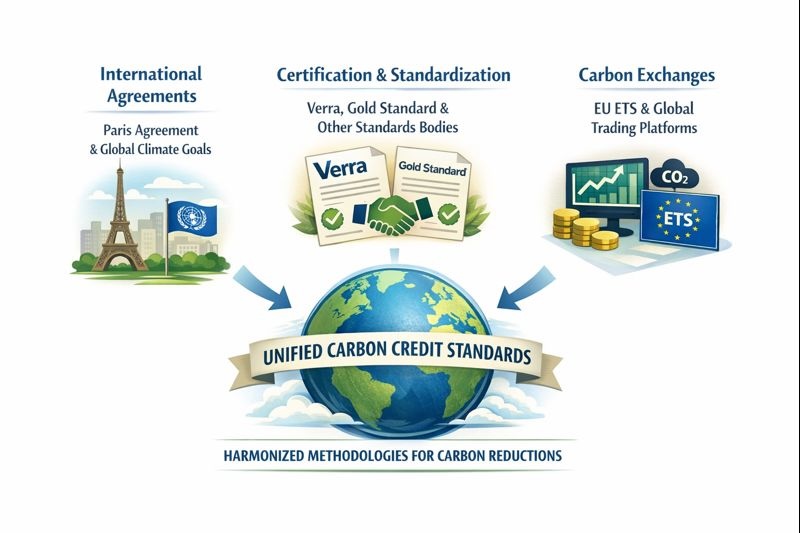
This new unified structure provided businesses with the necessary tools to track their emissions and offset them through verified credits that contributed to real environmental impact.
The realignment of the carbon credits market has set the stage for long-term sustainability. By ensuring standardized practices, increased transparency, and global collaboration, the market is now poised to remain a key instrument in the fight against climate change. The consolidation of market players, the rise of blockchain for transparency, and continued corporate demand for climate action will drive the future of carbon credits.
Carbon credits, as part of a realigned market, ensure businesses can confidently invest in environmental solutions that not only mitigate their carbon footprints but also contribute to global sustainability goals.
The carbon credits market has come a long way from its fragmented beginnings. Through standardization, third-party verification, and global collaboration, the market has become more transparent, efficient, and sustainable. As businesses embrace carbon credits to meet their sustainability goals, the market is poised to continue its growth and evolution. The realignment of the carbon credits market is key to ensuring that businesses can effectively offset their emissions and contribute meaningfully to global climate solutions.
Take Action: Learn more about how your business can integrate carbon credits into your sustainability strategy and help drive real change in the fight against climate change. Reach out to us today to find out how we can guide you through the process.