
Carbon credits play a vital role in the global effort to reduce greenhouse gas emissions, but the methodology used to generate them significantly impacts the quality and accuracy of the credits issued. As the voluntary carbon market (VCM) continues to grow, the complexity of methodologies and increasing regulatory scrutiny are making the selection process even more crucial.
In this article, we explore why choosing the right methodology for carbon credit projects is not only difficult but also pivotal in achieving meaningful environmental impact and regulatory compliance.

The methodology defines how emissions reductions are measured, monitored, and verified. But with the growing complexity and regulations surrounding carbon credits, it’s becoming harder to navigate. Let’s break down why the choice of methodology is so crucial.
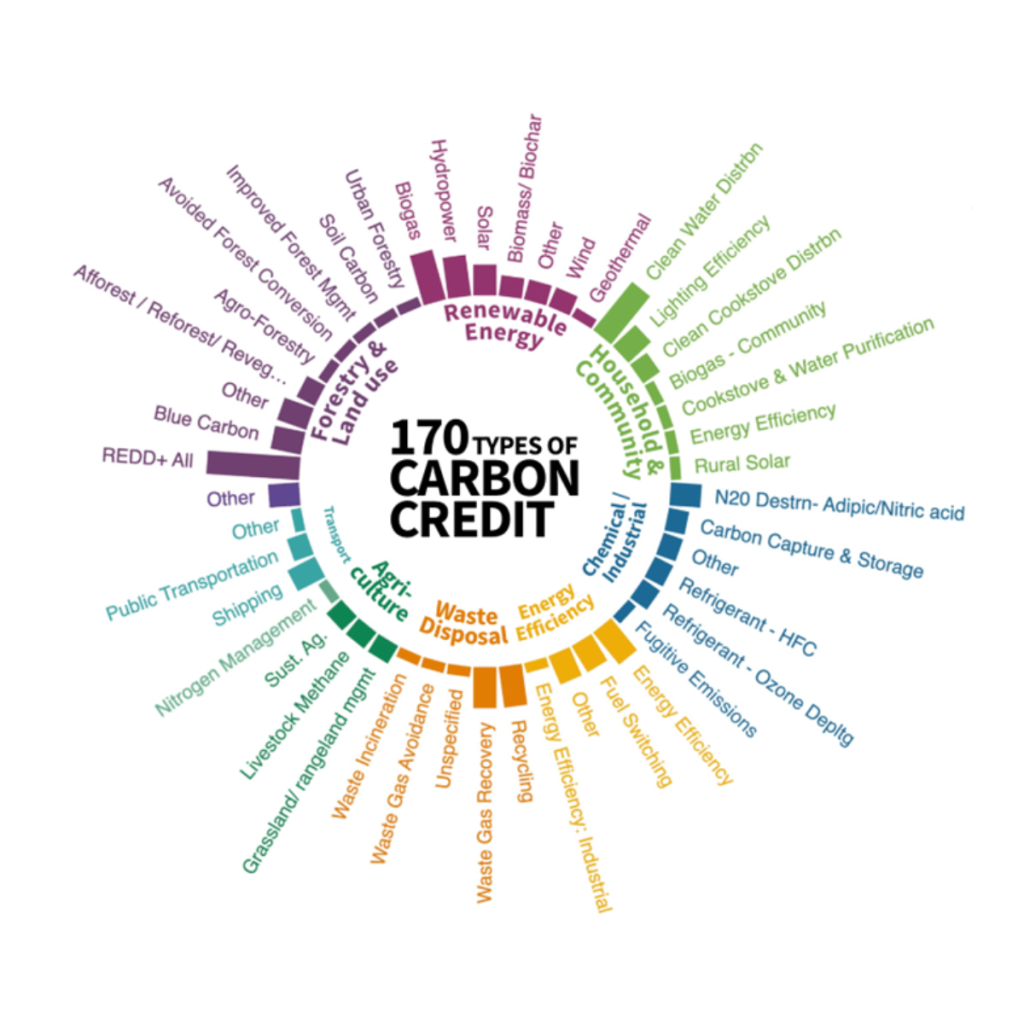
Carbon credit methodologies vary significantly across projects. The challenge lies in the need for project developers to understand complex standards that can differ based on:
As the carbon market expands, regulatory frameworks like the EU Carbon Border Adjustment Mechanism (CBAM) and UNFCCC guidelines demand more transparency and accuracy in carbon credit projects.
This means the wrong methodology could lead to the issuance of credits that don’t meet regulatory standards, ultimately affecting both market trust and project viability.
Some carbon credit methodologies are broad, providing flexibility for global application, but this comes at a cost: variability in outcomes. These methodologies aim to allow projects worldwide to participate but often lack precision.
E.g.: VCS Methodology for Forestry Projects can be used globally, but its application varies:
A methodology might issue vastly different results depending on:
Region | Carbon Sequestration | Methodology Used | Baseline Emissions |
Tropical Forests | High (due to rapid growth) | VM0047 Afforestation, Reforestation, and Revegetation, v.1.1 | Higher baseline (deforestation rate) |
Temperate Forests | Moderate | VM0047 Afforestation, Reforestation, and Revegetation, v.1.1 | Lower baseline (stable forest cover) |
Even with broader methodologies, selecting the right one is crucial. The wrong choice can lead to invalid carbon credits or no credits at all.
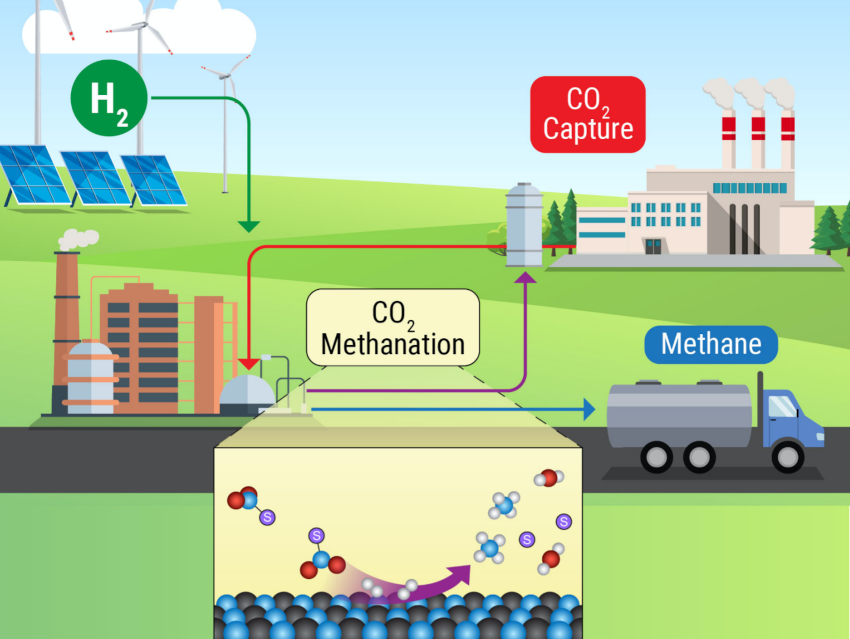
E.g.: Methane Capture Projects in regions with poor infrastructure could choose a methodology that demands real-time monitoring – something that local conditions may not support. In this case, the project may not meet the methodology’s requirements and therefore won’t generate any valid credits.
Monitoring requirements and verification standards are often the most challenging part of implementing carbon credit projects. If a methodology is too demanding or not suitable for the project’s conditions, the results could be catastrophic for developers.
Choosing the right methodology is crucial for carbon credit projects. The complexity of the methodologies, combined with growing regulatory pressures, makes this decision one of the most important in the lifecycle of any carbon credits initiative.
While broad methodologies offer flexibility, they also introduce variability, which means outcomes are not always guaranteed. The wrong choice can result in invalid or low-quality credits, leading to significant financial losses.
If you are planning a carbon credit project, ensure that you choose the right methodology by consulting experts and conducting thorough due diligence. If you’re unsure about the methodology for your project, contact us today to ensure you select the most suitable framework for your carbon offset goals.