
As the world continues its urgent battle against climate change, carbon credit projects play a key role in accelerating emissions reductions and creating sustainable environmental practices. Below are five of the most impactful ongoing carbon credit projects in 2026, complete with specific numbers and data on their contributions to global climate goals.
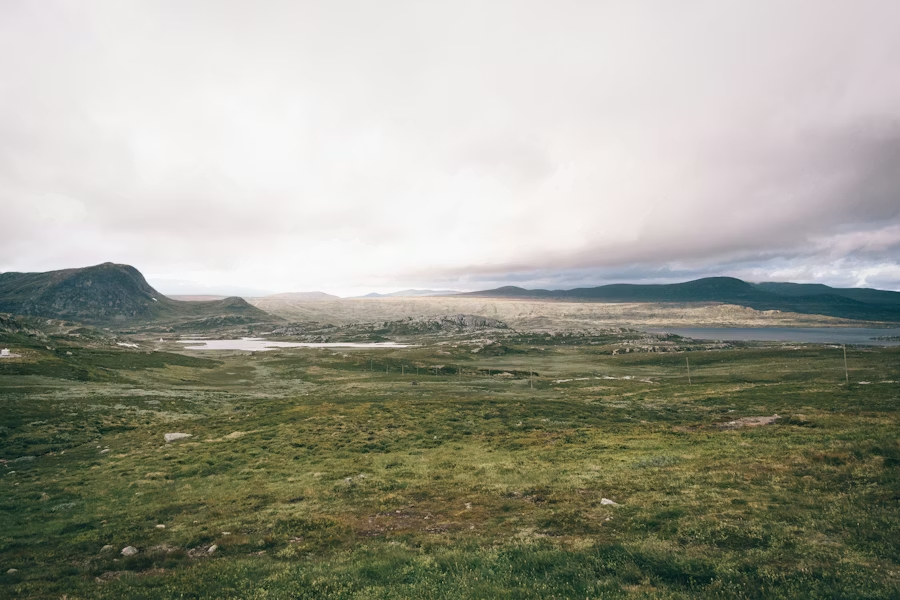
The Amazon Rainforest REDD+ project is one of the most critical initiatives for protecting the Amazon, which holds about 100 billion tons of carbon in its trees and soils. REDD+ projects aim to reduce deforestation by offering financial incentives to preserve forests instead of converting them to agricultural land. This project focuses on avoiding deforestation and promoting sustainable land use across Brazil’s Amazon region.
Carbon Sequestration: The Amazon rainforest stores around 2.4 billion tons of CO2 annually. This REDD+ project helps conserve forests by preventing logging, agricultural conversion, and unsustainable land practices. It involves extensive monitoring via satellite data and forest inventories to track carbon stock and ensure protection efforts.
Forest Protection and Land Management: The project focuses on forest management, protecting over 1.3 million hectares of tropical forest. It also works with local communities to provide alternative livelihoods.
CO2 Emissions Avoided: This project is responsible for avoiding around 10 million tons of CO2 emissions annually, making it one of the largest and most significant efforts in forest conservation globally.
Biodiversity Preservation: By protecting such a vast area, the project also safeguards countless species of plants, animals, and other biodiversity critical to the health of the planet.
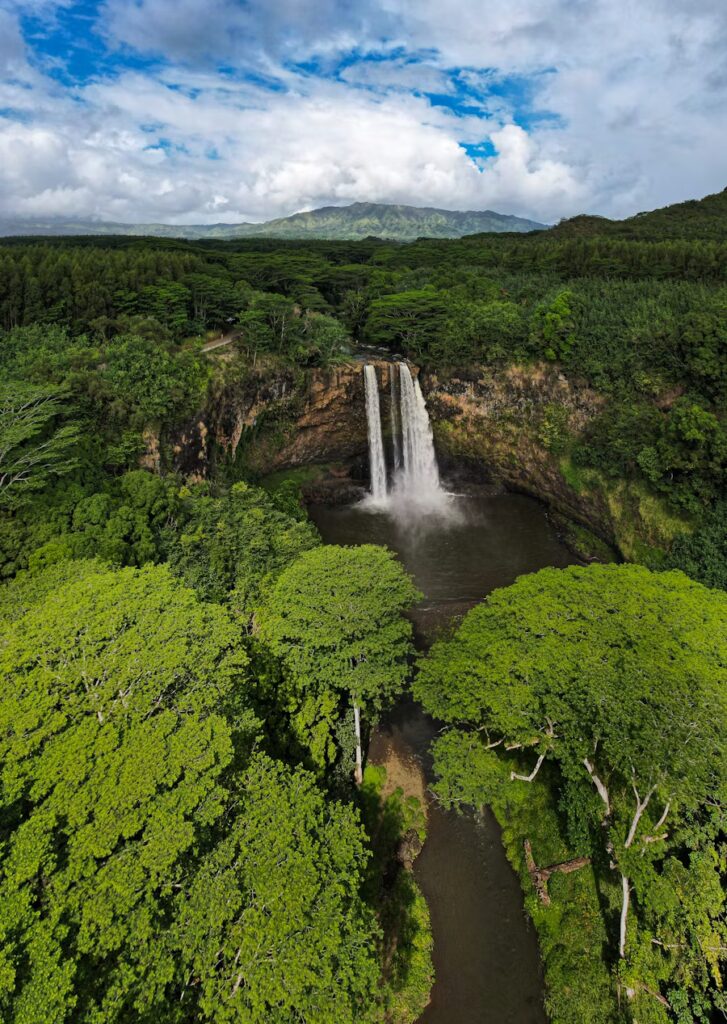
The Katingan Mentaya project focuses on protecting tropical peatlands and forests in Central Kalimantan, Indonesia. Peatlands are particularly carbon-rich and store more carbon per hectare than most tropical forests. When drained or degraded, peatlands release massive amounts of CO2, which makes this project essential in mitigating climate change.
Carbon Sequestration: The project involves conserving 150,000 hectares of peatland and forest, with an emphasis on peatland restoration by rewetting drained areas. This process prevents the release of stored carbon, while also restoring biodiversity and ecological balance.
Emissions Avoidance and Monitoring: The project uses high-tech monitoring systems, such as satellite imagery and field-based assessments to track land use and carbon storage. The carbon sequestration and avoidance data are certified under the VCS (Verified Carbon Standard) and CCBS (Climate, Community & Biodiversity Standards).
CO2 Emissions Avoided: The Katingan Mentaya project avoids up to 3 million tons of CO2 emissions annually, largely due to peatland conservation and rewetting efforts.
Additional Benefits: The project also provides sustainable livelihood opportunities to local communities, integrating them into conservation efforts and promoting eco-friendly agriculture and agroforestry.
The Carbon Gold Biochar project focuses on creating biochar from organic waste such as wood chips, crop residues, and forestry by-products. Biochar is a form of charcoal produced by pyrolysis and is an effective way to sequester carbon in soil for centuries. This project aims to not only reduce waste but also to enhance soil fertility and prevent the emission of methane from landfills.
Biochar Production: Carbon Gold produces biochar by heating organic waste at high temperatures in a low-oxygen environment (pyrolysis), converting it into a stable form of carbon that can be applied to soil.
Soil Application and Carbon Sequestration: Once applied to agricultural soils, biochar improves soil quality by increasing water retention, nutrient cycling, and reducing the need for chemical fertilizers. This application locks away carbon for up to 1,000 years.
CO2 Sequestered: Carbon Gold’s project sequesters about 200,000 tons of CO2 annually by converting waste into biochar and applying it to agricultural lands.
Land Restored: The project has restored and nourished over 10,000 hectares of degraded agricultural land by enriching the soil and enhancing carbon storage capacity.
Soil Health: The biochar application results in improved soil structure, better crop yields, and enhanced resilience to climate change, offering farmers a sustainable alternative to chemical fertilizers.

Pacific Biochar operates a biochar project focused on producing biochar from agricultural waste in the United States. By converting organic waste into biochar, this project reduces landfill emissions and improves agricultural soil health. The biochar is applied to farmlands, enhancing carbon storage while also boosting agricultural productivity.
Biochar Production and Pyrolysis: Pacific Biochar uses pyrolysis to convert organic materials into biochar, which is then applied to agricultural soils. The process reduces methane emissions from landfills and diverts organic waste from incineration or landfilling.
Soil Application and Carbon Sequestration: Biochar’s application to soil significantly increases soil carbon content, which locks away CO2 and improves soil fertility. The carbon is stored in the soil for up to 100 years.
CO2 Sequestered: This project sequesters around 500,000 tons of CO2 annually through the production and application of biochar.
Land Improved: Pacific Biochar has restored over 20,000 hectares of agricultural land by applying biochar, improving soil health and increasing water retention, which helps crops adapt to changing climate conditions.
Project Vesta is an ocean-based carbon sequestration initiative that accelerates the weathering process of olivine, a naturally occurring mineral that absorbs CO2 when exposed to seawater. This process enhances the ocean’s natural ability to capture and store carbon, ultimately helping to reduce atmospheric CO2.
Olivine Application: The project applies olivine to coastal waters, where it interacts with CO2 to produce bicarbonate ions, which are stable and safe in the ocean. This process mimics natural weathering but speeds it up, increasing the ocean’s capacity to sequester carbon.
Carbon Sequestration in the Ocean: The carbon captured in bicarbonate form is stored in the deep ocean, where it can remain for thousands of years. The project focuses on large-scale pilot programs to demonstrate and scale this technology.
CO2 Sequestered: If scaled up, Project Vesta could remove millions of tons of CO2 from the atmosphere annually, potentially sequestering up to 10 gigatons of CO2 per year if applied to large coastal areas globally.
Ocean Health: The process has minimal negative impact on ocean ecosystems and could increase ocean alkalinity, potentially benefiting marine life by improving the buffering capacity of the ocean against acidification.

These five carbon credit projects exemplify the diversity and scale of efforts needed to address climate change effectively. From the preservation of the Amazon and peatlands in Indonesia to innovative solutions like biochar and ocean-based carbon sequestration, each project is contributing to global CO2 reduction efforts. By providing verifiable numbers and measurable impacts, these projects highlight the critical role carbon credits play in fostering sustainable practices across various sectors, ultimately driving us closer to a carbon-neutral future.
Whether through protecting forests, improving soil health, or leveraging ocean chemistry, these projects show that meaningful change is not only possible but already underway. Supporting these initiatives is an essential step toward creating a sustainable and resilient planet for future generations. If you are conducting similar projects and want to explore carbon credits feel free to contact us!