
Southeast Asia is experiencing rapid urbanization and industrialization, with the region’s cities becoming some of the largest and fastest-growing in the world. However, this growth comes at a cost—air pollution. In cities like Jakarta, Ho Chi Minh City, and Bangkok, air quality is declining due to emissions from industries, vehicles, and energy production. As a response, carbon credits have emerged as a key tool for improving air quality by incentivizing emission reductions. Carbon credits are part of carbon markets, which allow businesses and governments to offset their emissions by investing in projects that reduce or remove greenhouse gases from the atmosphere. This article explores how carbon credits are playing an increasingly important role in addressing air pollution in Southeast Asia’s rapidly growing cities.

Southeast Asia is a crucial player in the global carbon market, with its rapidly growing economy and high levels of industrial activity contributing significantly to global emissions. In 2020, the region’s carbon emissions accounted for 13% of global CO2 emissions, with a significant portion stemming from energy and transportation sectors. As Southeast Asia aims to meet its climate goals, carbon credits offer a pathway to mitigate these emissions by creating a financial incentive for businesses to reduce their carbon footprint.
Carbon credits are typically generated by projects that either reduce emissions (such as switching to renewable energy) or remove them from the atmosphere (such as reforestation). The sale of these credits helps fund the projects, while buyers—whether corporations, governments, or individuals—can offset their own emissions. Southeast Asia’s commitment to reducing carbon emissions is highlighted by initiatives like the ASEAN Carbon Market, which seeks to create a regional platform for trading carbon credits. This market is expected to grow, with estimates suggesting that by 2030, carbon credit revenues in the region could reach $2 billion per year.
The burning of fossil fuels for energy production and transportation is one of the leading causes of air pollution in Southeast Asia’s cities. According to the World Health Organization, nearly 90% of the urban population in SEA cities is exposed to air pollution levels above the recommended limits, which contributes to severe health issues like respiratory diseases and cardiovascular problems. Carbon credits can help address this by incentivizing cleaner alternatives and supporting projects that reduce the emissions that contribute to air pollution.
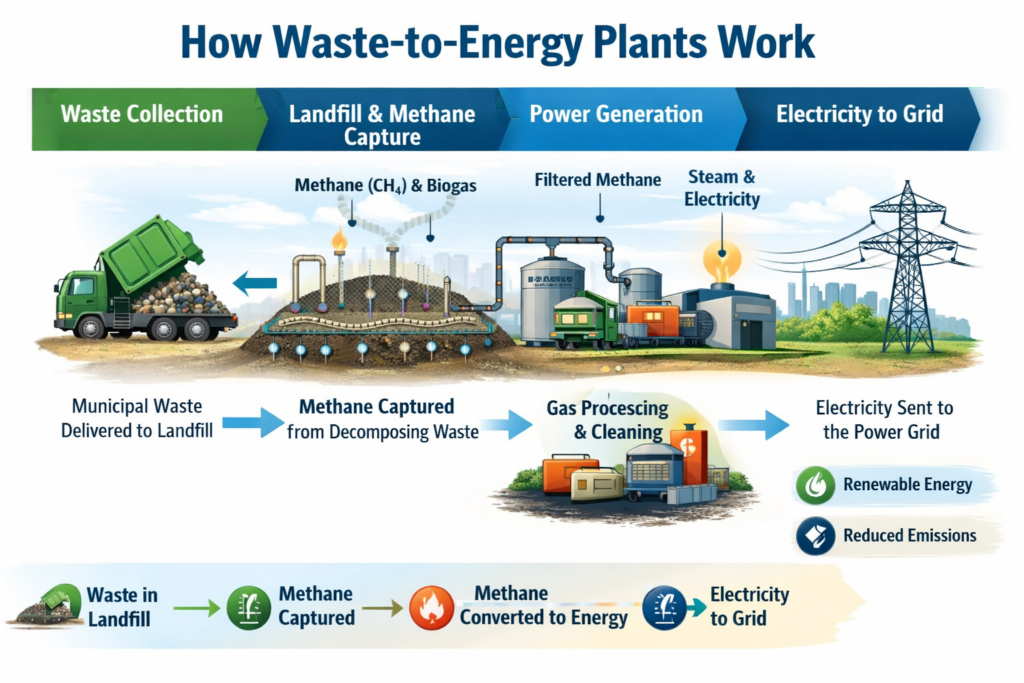
An impactful carbon credit project in Southeast Asia is Thailand’s waste-to-energy plants, which convert methane emissions from landfills into renewable energy. Methane is a potent greenhouse gas, and capturing it through waste management practices helps reduce both carbon and air pollution. The project, which operates in cities like Bangkok and Chiang Mai, has diverted over 500,000 tons of waste from landfills annually, reducing methane emissions by more than 200,000 tons of CO2-equivalent emissions per year.
This project is eligible for carbon credits under the Gold Standard’s “Recovery & Recycling of Materials from Solid Waste” methodology, which ensures that the credits generated are verifiable and additional. By turning waste into energy, the project not only reduces air pollution but also contributes to Thailand’s energy grid, further alleviating the region’s reliance on fossil fuels.
To fully understand the role of carbon credits in improving air quality, it’s important to consider the diverse perspectives of key stakeholders, including governments, businesses, and local communities.
Governments in Southeast Asia are increasingly integrating carbon credits into their climate strategies. Countries like Indonesia and the Philippines have implemented national policies to support carbon credit projects, recognizing their potential to reduce air pollution while meeting climate goals. In the Philippines, the government is working on a domestic carbon market, which will allow local businesses to trade carbon credits and contribute to national emissions reduction targets. These policy shifts are essential to scaling up carbon credit initiatives in the region and addressing urban air pollution more effectively.
Indonesia and the Philippines have both implemented national policies to support carbon credit projects as part of their efforts to reduce air pollution and meet climate goals. In Indonesia, the carbon pricing policy introduced in 2021 targets high-emission sectors like coal-fired power plants and incentivizes carbon credit generation through projects in electric vehicles (EV) and renewable energy. Meanwhile, the Philippines launched the Philippines Carbon Market Act in 2021, establishing a national carbon market that supports carbon credits from reforestation and renewable energy projects. These initiatives enable companies to offset emissions while improving air quality in growing cities.
For businesses, carbon credits offer a way to not only meet compliance obligations but also enhance their reputation as leaders in sustainability. As more companies in Southeast Asia face pressure to reduce their environmental impact, carbon credits provide a way to offset emissions that are difficult to eliminate entirely. Companies in industries like manufacturing, transportation, and energy can participate in carbon credit markets by investing in projects that reduce emissions, such as energy-efficient technologies or clean energy initiatives. This helps businesses improve their sustainability credentials and align with global corporate social responsibility expectations. If you are interested in investing in projects such as the following one, feel free to contact us!
One of the most promising examples of carbon credit projects addressing air pollution in Southeast Asia is the Charged EV initiative in Indonesia. This project involves the deployment of over 5,000 electric motorcycles, which are integrated into a battery swapping infrastructure across key urban areas in Jakarta and Surabaya. The project reduces emissions from the transportation sector by 40%, cutting harmful pollutants like NOx, CO2, and particulate matter. By 2025, the project aims to reduce over 50,000 tons of CO2 emissions annually, and it is expected to qualify for carbon credits under the Verra VCS methodology, which measures emission reductions from the shift to electric vehicles (EVs).
The project demonstrates how carbon credits can not only reduce emissions but also enhance urban mobility by providing a sustainable alternative to fossil fuel-powered transport. Not only does this initiative contribute to cleaner air in the cities, but it also stimulates the local economy by creating green jobs in EV maintenance, battery swapping stations, and renewable energy production. Which brings us to the added social impact of these projects.
Local communities also benefit from carbon credit projects, especially in regions that are directly impacted by industrial emissions. Projects that promote sustainable agriculture, reforestation, and waste management not only reduce pollution but also create jobs and improve local infrastructure. For instance, reforestation projects under the REDD+ program in Indonesia have created thousands of jobs in rural areas, helping to lift communities out of poverty while contributing to the global effort to reduce greenhouse gases. These initiatives ensure that carbon credits benefit both the environment and the people who live in it.

For carbon credits to reach their full potential in addressing air pollution in SEA’s cities, supportive policy frameworks are essential. Governments need to create clear regulations that enable the growth of carbon markets and ensure that carbon credit projects are verifiable, additional, and effective. Additionally, public-private partnerships can help scale projects, ensuring that carbon credits are integrated into broader strategies for improving air quality and reducing emissions.
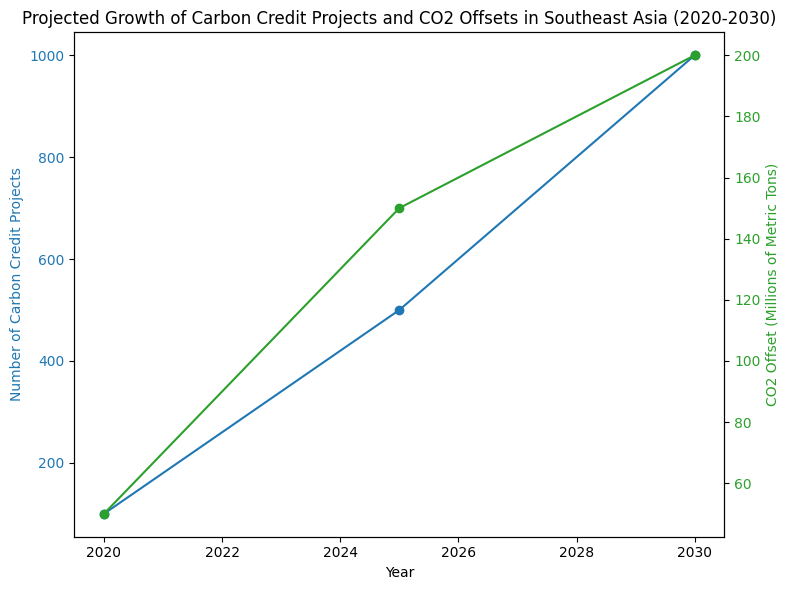
As governments in Southeast Asia continue to recognize the benefits of carbon markets, a significant increase in policy initiatives and carbon credit projects is expected. According to estimates by the International Emissions Trading Association, Southeast Asia could see a 10-fold increase in carbon credit projects by 2030, driven by the implementation of national carbon markets and climate action policies. This surge will likely include energy transition projects, reforestation initiatives, and sustainable agriculture practices, which could offset over 200 million metric tons of CO2 annually by the end of the decade, accelerating progress toward cleaner, healthier cities. These efforts align with the region’s climate goals, aiming for net-zero emissions by 2050, as projected by the Asian Development Bank. Such policies are set to foster widespread business participation in carbon credit programs, contributing significantly to both air quality improvement and sustainability objectives.
Carbon credits offer a powerful tool for addressing air pollution in Southeast Asia’s rapidly growing cities. By incentivizing emission reductions through projects like electric vehicles, waste-to-energy, and reforestation, carbon credits are contributing to cleaner air and healthier urban environments. As Southeast Asia continues to urbanize, carbon markets will play an increasingly important role in ensuring that cities can grow sustainably. Governments, businesses, and communities must work together to scale these projects and unlock their full potential, driving long-term improvements in air quality and overall sustainability.