
In the race to tackle climate change, terms like carbon credits and carbon offsets are frequently discussed, often interchangeably. However, these two concepts serve distinct purposes and function in different ways within the broader climate action ecosystem. Understanding their nuances is essential for both individuals and businesses looking to participate in meaningful emissions reduction efforts. In this article, we’ll break down the differences between carbon credits and offsets, explore how they work, and highlight their unique roles in the fight against global warming.
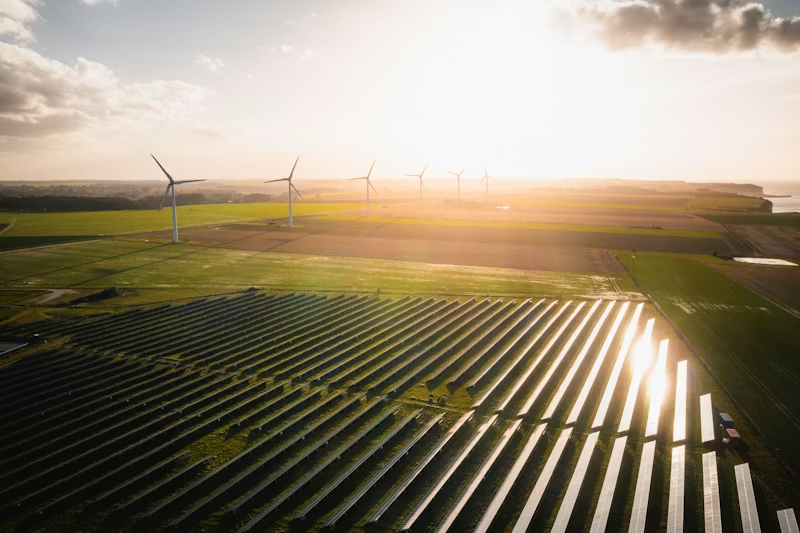
A carbon credit is a permit that allows the holder to emit one metric ton of carbon dioxide (CO₂) or its equivalent in other greenhouse gases. These credits are often created and distributed through a compliance market, where governments or regulatory bodies allocate them to businesses as part of emissions cap-and-trade systems. In such systems, companies are required to limit their emissions, and any unused credits can be traded. The idea is to incentivize companies to lower their emissions by making it financially advantageous to do so.
For instance, under systems like the European Union Emissions Trading System (EU ETS), businesses can trade carbon credits to balance their emissions with their allocated limits. The more efficient a company is at reducing emissions, the fewer credits they need, allowing them to sell surplus credits to other businesses. This market-driven approach aims to reduce emissions cost-effectively while promoting sustainable business practices.
While carbon credits are often associated with regulated emissions markets, carbon offsets represent voluntary actions aimed at counterbalancing carbon emissions. Offsets are created through projects that actively remove or reduce CO₂ from the atmosphere. These projects include activities like reforestation, renewable energy initiatives, and methane capture at landfills. The idea is simple: when a company or individual emits carbon, they can purchase offsets to support a project that neutralizes that same amount of CO₂.
A key feature of offsets is their role in projects that go beyond traditional emissions reduction. They offer a way for businesses and individuals to support sustainability efforts, especially when their emissions cannot be entirely eliminated in the short term. By buying offsets, they are compensating for their emissions by funding projects that lower emissions elsewhere. This mechanism allows a diverse range of stakeholders, from businesses to governments, to offset their carbon footprint.
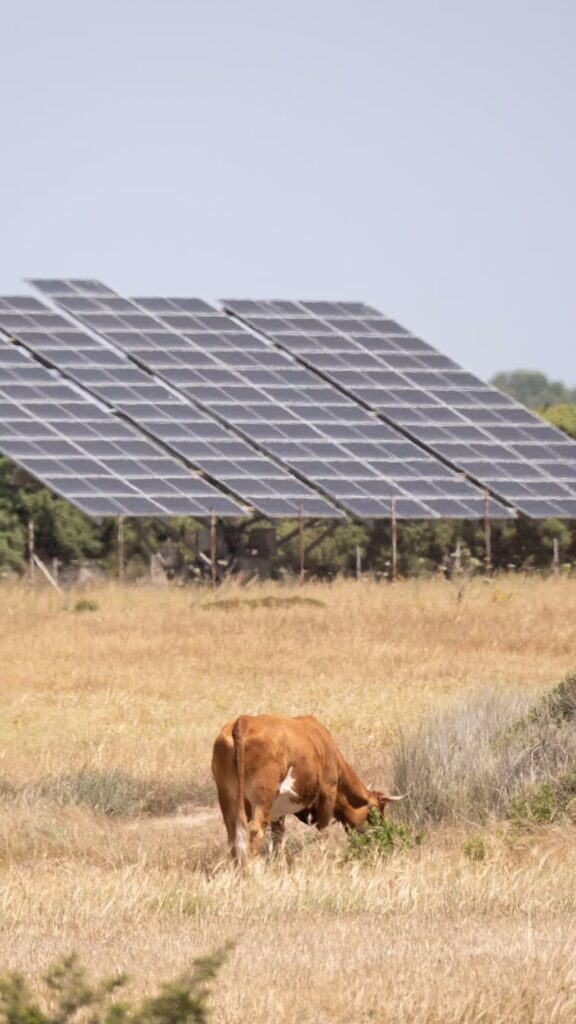
Although both carbon credits and carbon offsets serve to reduce overall greenhouse gas concentrations, they differ significantly in purpose and function.
Aspect | Carbon Credits | Carbon Offsets |
Nature of Action | Linked to emissions reductions within a regulated system (cap-and-trade). | Linked to voluntary efforts to reduce emissions by supporting external projects. |
Market and Regulation | Traded in compliance markets where businesses are legally bound to limit emissions. | Traded in voluntary markets where companies and individuals opt to reduce their impact without legal obligation. |
Role in Emissions Trading | Part of a cap-and-trade system, offering companies an economic incentive to reduce emissions. | Functions as a compensatory tool, balancing emissions that cannot be directly reduced. |
A prominent carbon credit project is SleekEV in Thailand, which operates under a compliance market. The project involves deploying a fleet of electric vehicles (EVs) to replace conventional gasoline-powered vehicles, significantly reducing emissions. Using the Verra VCS methodology, the project generates carbon credits by measuring the CO₂ emissions avoided through the use of EVs. These credits are sold in compliance markets, where businesses and governments purchase them to meet their emissions reduction targets. The success of this project depends on its role within a regulatory framework, making carbon credits essential for compliance.
In contrast, a carbon offset project could involve a reforestation initiative in the Amazon. This voluntary project aims to sequester CO₂ by planting trees in deforested areas. The project generates carbon offsets based on the amount of CO₂ the trees absorb, and businesses or individuals purchase these offsets to neutralize their emissions. This initiative also offers co-benefits, such as enhanced biodiversity and improved water quality, benefiting both the environment and local communities. The project operates in a voluntary market, where purchases are made to balance emissions rather than fulfill regulatory obligations.
The SleekEV project operates within a compliance market driven by regulations, where it helps reduce emissions by substituting gasoline-powered vehicles with electric ones, thus lowering overall CO₂ emissions. In contrast, the Amazon reforestation project works within a voluntary market, where its primary goal is to sequester CO₂ through large-scale tree planting efforts. While both projects aim to reduce atmospheric carbon, their impact and scale differ significantly. The SleekEV fleet targets urban emissions in Thailand, addressing transportation-related pollution, whereas the Amazon project tackles global deforestation, contributing to both CO₂ sequestration and supporting biodiversity, while also benefiting local communities through ecosystem restoration. Each project plays a unique role in combating climate change, tailored to its specific market and mechanism.

Both carbon credits and offsets are essential tools in the fight against climate change, but they serve different roles in emissions management. Carbon credits contribute to regulatory compliance, ensuring companies reduce their emissions within a given cap, while carbon offsets provide a flexible option for those who wish to neutralize their emissions by funding sustainability projects that remove or reduce carbon in the atmosphere.
In recent years, as the pressure to meet international climate goals has increased, both systems have gained significant traction. For example, in 2021, the United Nations announced that carbon markets, including the use of both credits and offsets, would play a central role in achieving global climate targets under the Paris Agreement. By allowing businesses to offset their carbon emissions, these tools create a market-based approach to reducing global emissions.
Investing in carbon offsets is not only about compensating for emissions; it also contributes to the overall sustainability of the planet. Many offset projects create co-benefits such as supporting biodiversity, enhancing air and water quality, and improving the livelihoods of local communities. For instance, reforestation projects not only absorb CO₂ but also preserve vital ecosystems and improve soil health. In this way, carbon offsets act as a multiplier, offering positive impacts that go beyond just reducing carbon emissions.
At the same time, carbon credits ensure that businesses are held accountable to emissions reduction targets, providing an incentive structure that drives innovation in green technologies. As a result, businesses are pushed to adopt cleaner practices and technologies, which can further reduce their carbon footprints and support the development of green technologies across industries.

Carbon credits and carbon offsets are two distinct yet complementary mechanisms that contribute to the global effort to reduce greenhouse gas emissions. Carbon credits are an essential tool for businesses in regulated markets to reduce their emissions within a defined limit, while carbon offsets allow both companies and individuals to support projects that neutralize emissions and promote sustainability on a broader scale.
Understanding the difference between these two concepts is crucial for anyone interested in engaging with climate action initiatives. Whether through regulatory compliance or voluntary participation, both systems help create a more sustainable, low-carbon future. As the world continues to grapple with climate change, both carbon credits and offsets will remain pivotal in driving significant reductions in global emissions, fostering the transition to a net-zero economy.