
As the world grapples with the escalating climate crisis, novel solutions to combat climate change are gaining traction. One such solution is biochar, an organic material produced by heating biomass (such as wood, agricultural waste, or even sewage sludge) in a low-oxygen environment. This process, known as pyrolysis, results in a stable form of carbon that can be stored in the soil for centuries. As an emerging tool in the carbon credit market, biochar projects are garnering attention for their potential to sequester carbon while improving soil health and agricultural productivity.
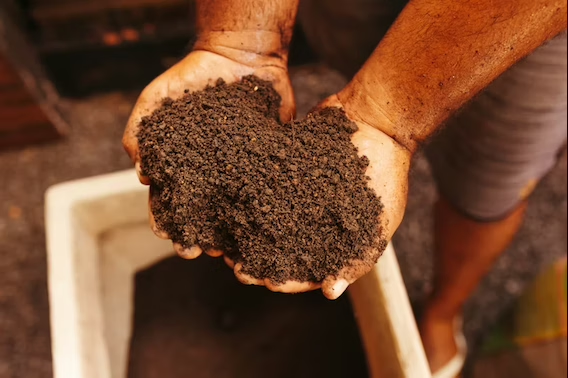
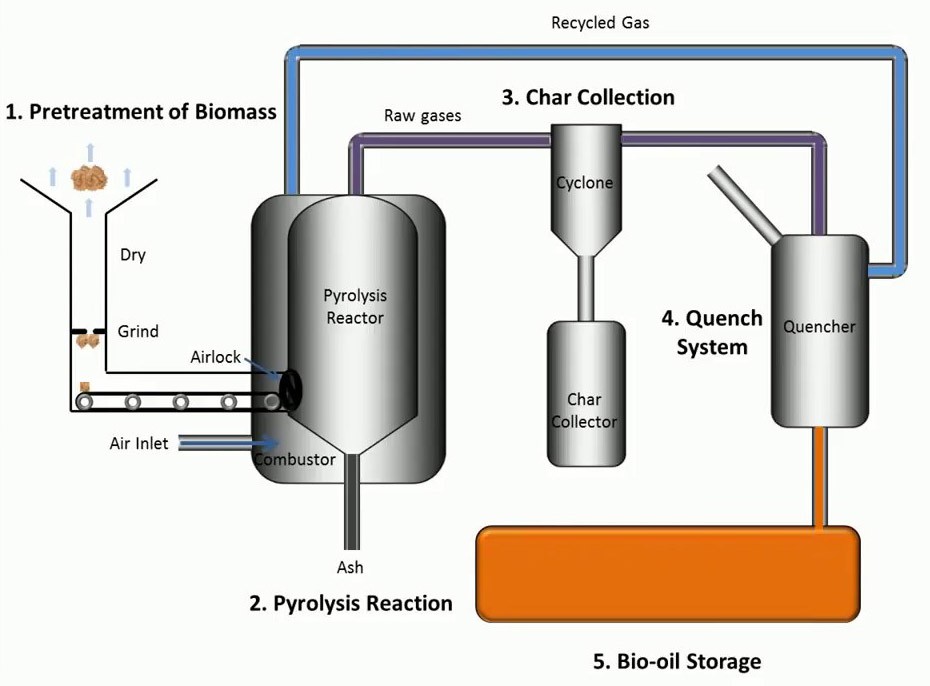
Biochar is created through the process of pyrolysis, which involves heating organic materials to high temperatures in the absence of oxygen. This transforms the biomass into a stable, carbon-rich substance that can be stored in soil. The result is a product that not only sequesters carbon but also improves the physical and chemical properties of the soil, increasing water retention and nutrient availability. As a carbon sink, biochar has the potential to store carbon in the soil for hundreds to thousands of years, thus mitigating the effects of climate change.
The appeal of biochar lies in its dual impact: it captures carbon that would otherwise contribute to global warming, and it helps enrich soils, which can lead to higher crop yields and improved soil fertility. This makes biochar an attractive option for agriculture-focused carbon offset projects, especially as companies and governments seek to meet emission reduction targets under various climate accords.
The concept of using biochar in carbon credit projects has been around for several years but has gained significant momentum in recent times due to increasing interest in soil carbon sequestration. The key to these projects lies in their ability to deliver verified and sustainable carbon removal benefits, making them eligible for carbon credits under certification standards like the Verra Verified Carbon Standard (VCS) and Gold Standard (GS). Both play a critical role in enabling biochar projects to generate high-integrity carbon credits through clearly defined methodologies.
Under Verra’s VCS, the VM0044 – Biochar Utilization in Soil and Non-Soil Applications methodology focuses on activities that improve waste handling and disposal (WHD) of waste biomass. The project activity must consist in sourcing waste biomass at first, then in producing biochar, and finally in utilizing biochar in soil or non-soil application. The baseline assumes that biomass would either decay or be combusted without carbon sequestration, with zero emissions reductions considered at the sourcing stage, making the methodology conservative in estimating emissions.Moreover the methodology includes rigorous guidelines for monitoring emissions at the sourcing, production, and application stages to ensure that carbon is effectively sequestered in biochar and remains stable over time.
In parallel, Gold Standard is in the process of developing biochar methodology that emphasizes not only carbon sequestration but also strong sustainable development co-benefits, including soil health, farmer income, and reduced air pollution from open biomass burning.
Both standards require strict additionality testing, conservative accounting, and third-party validation and verification. Together, these methodologies provide the technical backbone that allows biochar projects to access voluntary carbon markets and secure predictable carbon revenue streams.
Biochar projects offer significant potential for carbon sequestration. The International Finance Corporation (IFC) notes that carbon markets, including those for agricultural and soil-based projects, are vital in mobilizing financing for climate solutions. By generating carbon credits, biochar projects can attract investment and help fund the development of sustainable farming practices. These credits are then sold to companies looking to offset their emissions, thereby creating a market-driven mechanism for reducing atmospheric carbon.
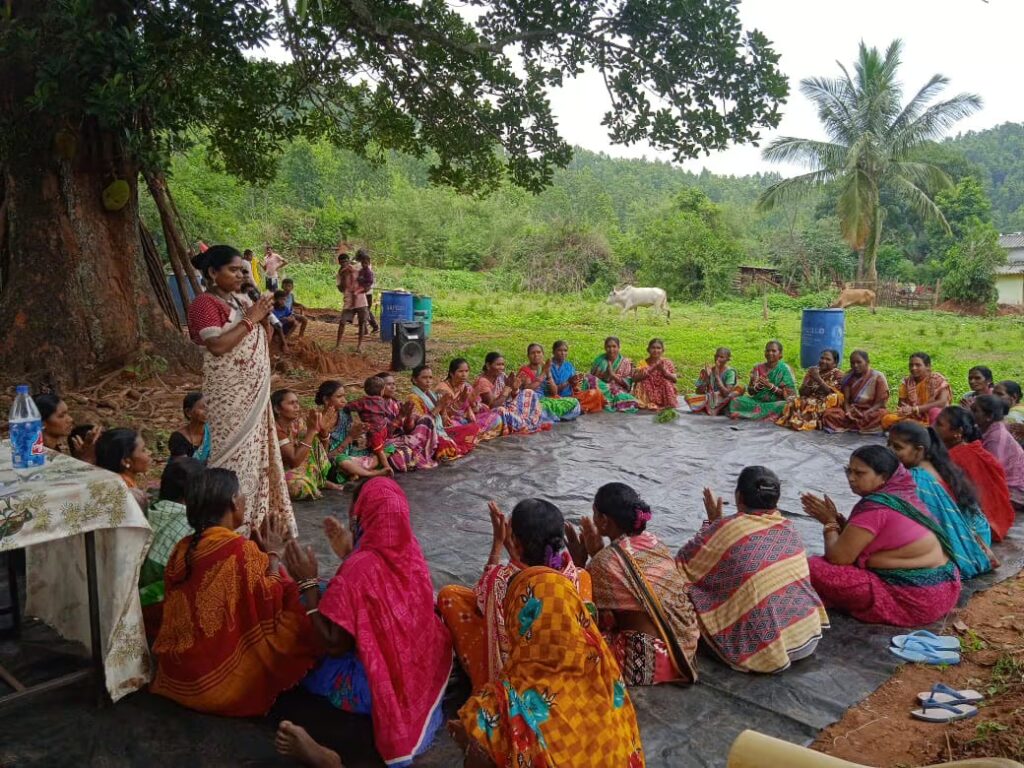
Project Reignite, located in Odisha, India, is a pioneering biochar initiative aimed at reducing carbon emissions through the use of agricultural waste. By converting crop residues into biochar using pyrolysis technology, the project helps sequester carbon in soils, enhancing soil health and increasing agricultural productivity. The project’s ability to offset CO2 emissions has made it an attractive investment opportunity for companies aiming to meet their carbon neutrality goals.
The project received funding from global environmental impact investors looking to support sustainable agricultural practices while addressing the global need for carbon removal. Notably, carbon offset purchasing agreements with companies looking to meet their sustainability targets allowed Project Reignite to scale its operations, extend its reach, and help more farmers.
Investors such as impact-focused funds saw the potential for combining environmental benefits with a profitable carbon credit market, leading to new capital influx that will enable the project to expand its biochar production capacity and reach additional regions.
This case highlights that the VCM offers not only emission offsets but a channel for SMEs to attract funding, grow operations, and deliver measurable climate impact.
While the potential of biochar is immense, several challenges remain in realizing its widespread adoption. One of the primary hurdles is the verification and measurement of carbon sequestration. Carbon credits are granted based on the verified amount of carbon that is sequestered, and for biochar, this means quantifying how much carbon remains stored in the soil over time. The verification process requires rigorous monitoring, reporting, and third-party validation, which can be resource-intensive and costly.
However, the opportunity for biochar is significant. The World Bank’s Climate-Smart Agriculture program highlights how integrating biochar into agricultural systems can simultaneously address multiple issues: improving soil quality, enhancing crop productivity, and sequestering carbon.
Furthermore, biochar has the added benefit of being a valuable soil amendment, providing a long-term solution to soil degradation, which affects food security in many regions of the world. This makes it a particularly promising option for developing countries where agriculture is a key economic sector.
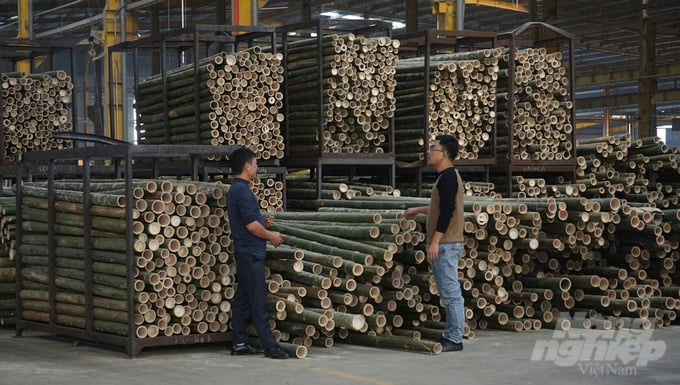
Bamboo King Vina, located in Thanh Hoa Province, Vietnam, focuses on converting bamboo and wood waste into biochar through pyrolysis. The project is registered with Verra’s VCS program, and carbon credits are generated by sequestering carbon in the biochar applied to soil. The project helps reduce emissions from biomass burning and enhances soil fertility, providing long-term environmental and economic benefits.
By leveraging carbon credits, Bamboo King Vina has positioned itself as a leader in sustainable biomass management and carbon sequestration in Southeast Asia. Through the VCS registry, the project has verified carbon removal, demonstrating a scalable solution for reducing carbon footprints in agriculture while simultaneously improving soil health. Major investors, such as environmental funds and corporations committed to carbon neutrality, have not only bought the credits but also provided additional capital to scale the project.
The revenue from carbon credit sales is helping to fund new pyrolysis plants and support ongoing research into improving the efficiency of biochar production. This creates a sustainable feedback loop where the project continuously grows its impact while generating additional carbon credits for sale.
Incorporating biochar into agriculture can have long-term benefits, not only for carbon sequestration but also for agricultural productivity. As farmers face increasingly unpredictable weather patterns and declining soil health, biochar can play a crucial role in enhancing soil resilience. Studies have shown that biochar can improve soil’s ability to retain water and nutrients, leading to better crop yields, even in drought-prone areas.
Moreover, biochar can reduce the need for synthetic fertilizers, which are a significant source of greenhouse gas emissions. By enhancing soil fertility naturally, biochar can contribute to the sustainability of farming practices while reducing their environmental footprint. This is especially crucial as the agricultural sector strives to balance food production with environmental sustainability.
Biochar projects hold significant promise for both carbon sequestration and sustainable agriculture. By turning organic waste into a stable form of carbon, biochar can help mitigate climate change while improving soil health. As carbon markets continue to grow, biochar projects are well-positioned to become a key player in the fight against global warming.
With the backing of institutions like the World Bank and the International Finance Corporation, which support the development of climate-smart agricultural practices , biochar projects can help bridge the gap between climate action and sustainable development. By investing in these projects, we are not only addressing the carbon crisis but also fostering a future where soil health and food security are prioritized.
For businesses and organizations seeking to invest in carbon credits or support sustainable agricultural practices, biochar offers a promising pathway. Its potential to sequester carbon and improve soil health makes it a cornerstone of both environmental and economic sustainability. To learn more about how biochar projects can contribute to your climate goals, contact us today and explore how your business can be part of the solution.