
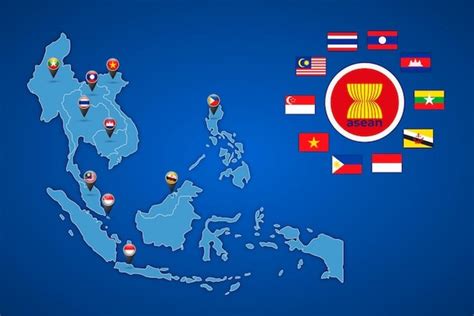
The carbon markets in ASEAN countries are evolving with the introduction of new regulations and policies aimed at addressing climate change, driving sustainable development, and ensuring the region’s integration into global carbon markets. Below, we examine the key regulations from each country and their potential impact on the ASEAN carbon market.
Malaysia has introduced the Carbon Border Adjustment Mechanism (CBAM), aligning its carbon market policies with international carbon pricing frameworks. This adjustment mechanism will affect how Malaysian industries price their carbon emissions and engage in international trade. The implementation of this policy encourages domestic industries to reduce their emissions, making carbon credits more valuable both locally and globally. Additionally, Malaysia’s push for more sustainable materials in sectors like construction adds a layer of regulatory pressure that will likely increase demand for carbon credits as businesses strive to meet these emissions reduction targets.
Carbon Border Adjustment Mechanism (CBAM) | ||
| The Exporter (e.g. Manufacturer) | The Importer or ‘Your Customer’ |
Before Export | Conduct a Life Cycle Assessment (LCA) and report/provide data on the embedded carbon emissions of your products | No Action Needed |
Verification of the Carbon Emissions | ||
Provide Information to EU Importer | ||
At the Border | No Action Needed |
|
Malaysia’s alignment with global carbon pricing mechanisms and its internal carbon tax policy will help create a more competitive carbon market, encouraging both regional and international investments. It also signals a commitment to international standards, which will help integrate Malaysia’s carbon credits into the global market, making it a critical player in ASEAN’s efforts to reduce emissions.
Indonesia has introduced Regulation 110/2023, which focuses on the Measurement, Reporting, and Verification (MRV) systems required for carbon credit trading. This regulation ensures that carbon emissions reductions are properly monitored, verified, and reported, which is essential for creating a transparent and trustworthy market. The country’s commitment to establishing an Emissions Trading Scheme (ETS) will allow businesses to buy and sell carbon credits, creating a market for emissions reductions and encouraging companies to innovate in sustainability.
Indonesia’s MRV system and ETS will contribute to the development of a more reliable and scalable carbon market in ASEAN. By setting clear emission limits and allowing for carbon credit trading, Indonesia will encourage both local and international companies to participate in the market, which will enhance the region’s carbon market liquidity and credibility.

Thailand’s Climate Change Bill has set the stage for a domestic carbon market, focusing on carbon pricing and creating a carbon registry. The bill outlines the legal framework for establishing a carbon trading system, with emphasis on creating standards for carbon credits generated within the country. Thailand is also participating in CORSIA (Carbon Offsetting and Reduction Scheme for International Aviation), which enables the country’s projects to trade carbon credits on international markets, thereby broadening the scope for credit sales.
Thailand’s carbon credit standards and its participation in CORSIA help expand ASEAN’s carbon market by linking local credits to global aviation carbon offset projects. This integration boosts the credibility of ASEAN’s carbon market on the world stage, creating new revenue streams and strengthening regional collaboration.
Vietnam is focusing on carbon registries and emission reduction mechanisms under the Paris Agreement. The country is working to develop a national carbon market, which will allow it to trade carbon credits both domestically and internationally. By linking its market to Article 6 of the Paris Agreement, Vietnam aims to create a pathway for cross-border carbon credit transactions, enabling Vietnamese projects to sell credits to international buyers.
Vietnam’s commitment to establishing a carbon registry and aligning with international carbon market frameworks, particularly under Article 6, will enhance the region’s integration with global markets. This move positions Vietnam as a key player in ASEAN’s broader carbon market network, offering a steady supply of carbon credits for trade.

Singapore has implemented a carbon tax policy that is set to increase to approximately $45 per tonne of CO2 by the end of 2026. The government is also closely linked to the CBAM, allowing for greater integration of its carbon market with global systems. Singapore’s leadership in carbon tax regulations and its early alignment with Article 6 of the Paris Agreement creates an attractive environment for businesses to invest in emissions reductions and carbon credit generation.
Singapore’s carbon tax policy will drive industries to reduce their emissions, creating a higher demand for carbon credits. As a financial hub, Singapore is well-positioned to facilitate cross-border carbon trading, linking ASEAN carbon markets with global investors. This regulatory framework strengthens the ASEAN region’s role in global carbon markets and enhances the credibility of its emissions reductions.
The Philippines is still in the early stages of developing its carbon credit market, focusing on institutional capacity building and regulatory frameworks. The government is working on creating a legal system that will support carbon credit generation and trade, though market development is still in its infancy. By focusing on building institutional frameworks, the Philippines aims to establish a solid foundation for carbon trading in the future.
While the Philippines is not yet fully integrated into the carbon market, its regulatory progress ensures that it will eventually play an important role in the ASEAN market. As the country strengthens its legal framework and regulatory capacity, it will contribute to a more robust regional market, expanding the supply of carbon credits and creating additional investment opportunities.

The regulations introduced by ASEAN countries are shaping the region’s carbon markets in ways that promise greater integration and market maturity. As countries like Malaysia, Singapore, and Thailand continue to build their regulatory frameworks around carbon pricing and emissions reductions, they will set the standard for market practices and carbon credit quality across ASEAN. The focus on creating transparent MRV systems and carbon registries in Indonesia and Vietnam further strengthens the reliability of carbon credits in the region, facilitating greater participation from both local and international markets.
In the near future, ASEAN’s carbon markets are likely to become more interconnected, with countries actively trading carbon credits across borders, driven by common regulatory frameworks like Article 6 of the Paris Agreement. This collaboration will not only ensure that ASEAN nations meet their climate commitments but also position the region as a major player in the global carbon market. As more countries implement carbon pricing mechanisms and integrate with international systems like CORSIA, ASEAN will continue to enhance its market liquidity and attract global investment, driving the region’s transition to a low-carbon economy.
Overall, the evolving regulations in ASEAN countries are setting the stage for a more unified, efficient, and competitive carbon market that will contribute to global climate goals while providing economic opportunities across the region. The growing interconnectedness of national markets within ASEAN will facilitate the free flow of carbon credits, allowing the region to leverage its collective strength to reduce emissions, attract investment, and foster sustainable growth.