
A paper recycler in Vietnam
Packaging paper from waste paper, and power from the mill's wastewater
A Vietnamese recycler turns recovered waste paper into packaging paper, and is capturing the methane from its mill wastewater to run on biogas.
Impact
- carbon projects in development
- 2
- of Vietnam's treated solid waste goes to landfill, where paper gives off methane
- 71%
- B-Company, 2024
The problem
Vietnam’s paper mills need more fibre than the country collects. Domestic collection reached about 3.6 million tonnes in 2025, only 56% of what the mills need, and more than 3 million tonnes of waste paper are imported each year, according to the Vietnam Pulp and Paper Association.
At the same time, much of the paper thrown away at home never reaches a mill. About 71% of Vietnam’s treated solid waste goes to landfill, where paper rots and gives off methane, a greenhouse gas many times stronger than CO2.
Paper mills have a methane problem of their own. Their wastewater carries a heavy organic load. Treated in open tanks, it breaks down and releases methane straight into the air.
What the company does
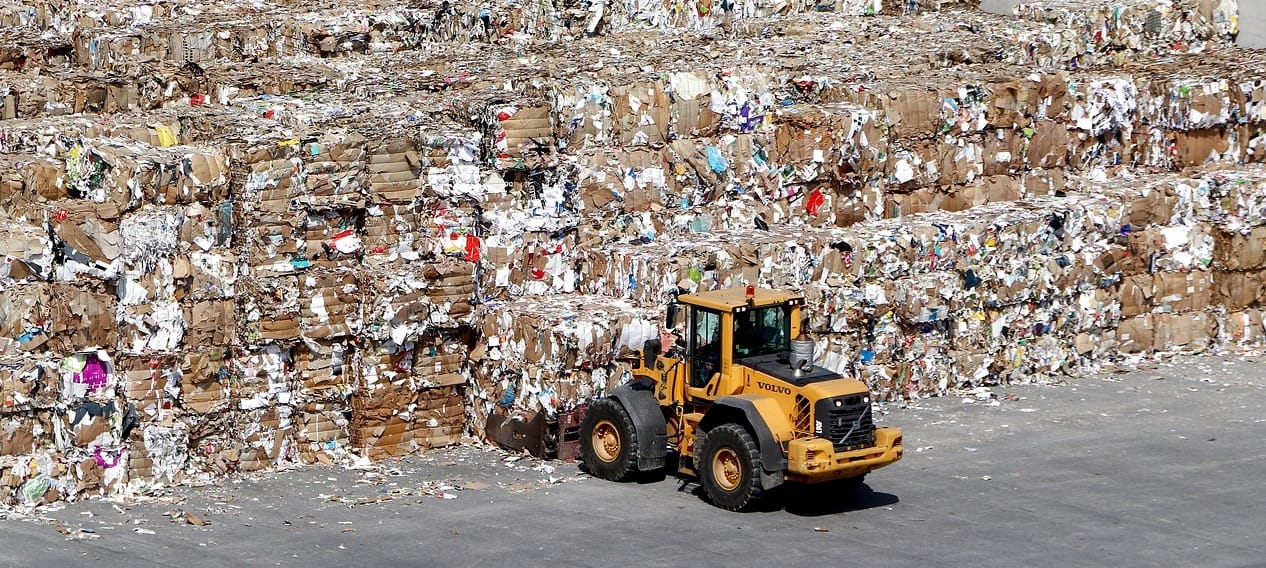
The company turns waste paper into packaging paper. Part of its input is paper recovered from household waste: paper that would otherwise be buried.
It is now working on two projects. The first is a new recycled-paper line that makes packaging paper from recovered waste paper. The second replaces an open wastewater tank with a sealed anaerobic reactor. The reactor captures the biogas from the wastewater and burns it in an engine to make power and heat for the mill.
What changes
Every tonne of waste paper the new line takes from household waste is a tonne that does not rot in a landfill. The avoided methane is what the recycling project credits, under Verra’s VMR0007 methodology for recovering and recycling materials from waste.
The sealed reactor stops the wastewater methane escaping and turns it into energy the mill would otherwise buy. That means cleaner air around the mill.
Both projects are under development, with crediting planned from 2026 to 2031.
More case studies

Okapi Solar, Malaysia
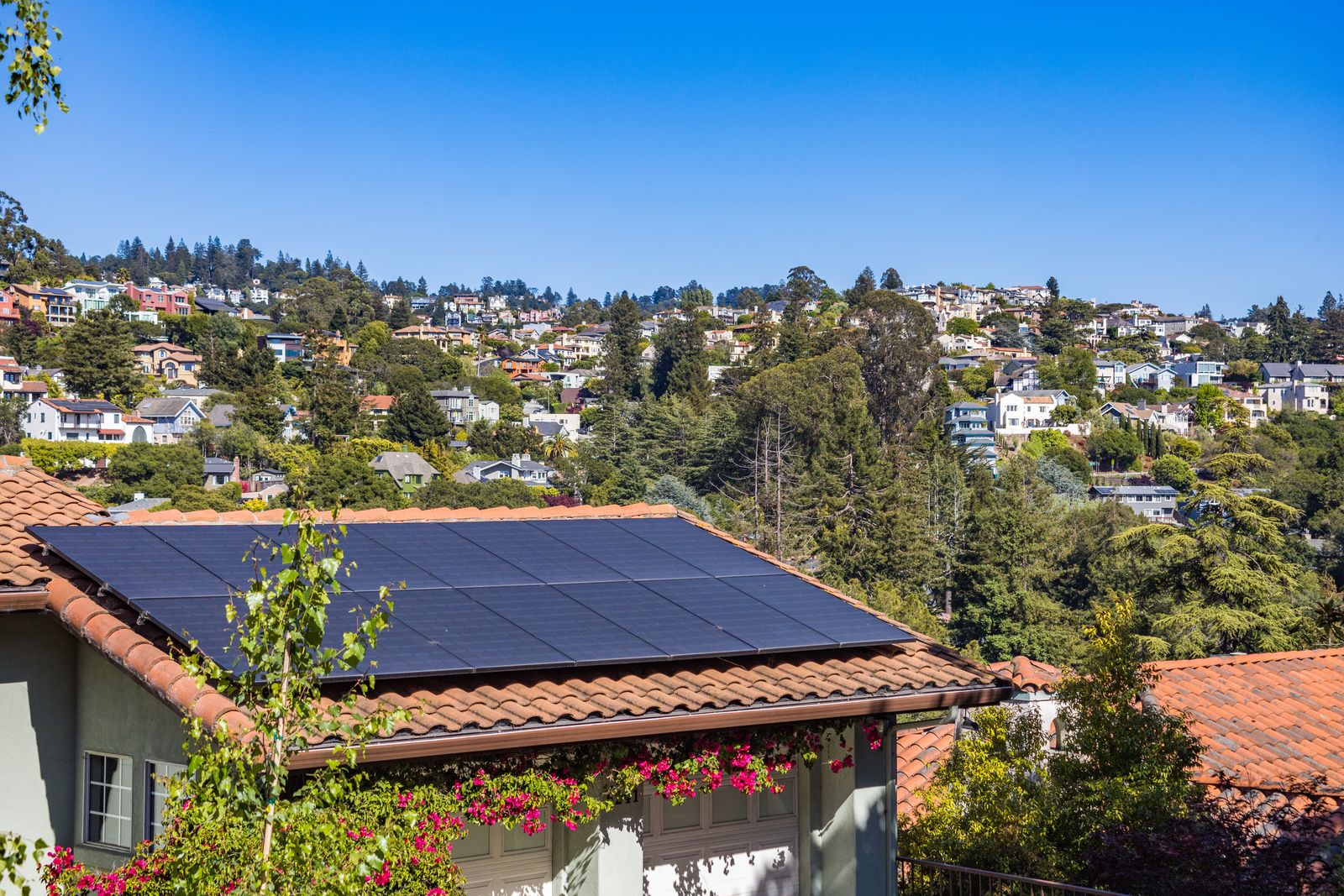
Rooftop solar with nothing to pay upfront for Malaysian homes