
Knowledge Hub As the world accelerates towards meeting climate goals, the carbon credit market is on the cusp of transformative change. The journey towards carbon neutrality and beyond will be shaped by the rise of carbon credits as a cornerstone of global climate strategies. The future of carbon credits offers a thrilling glimpse into how […]
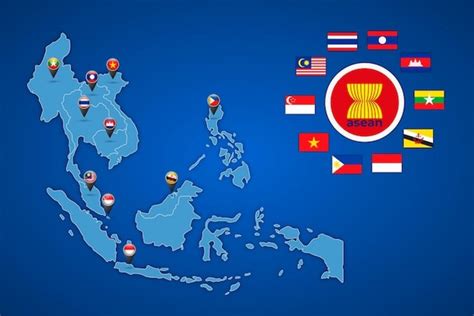
Knowledge Hub The carbon markets in ASEAN countries are evolving with the introduction of new regulations and policies aimed at addressing climate change, driving sustainable development, and ensuring the region’s integration into global carbon markets. Below, we examine the key regulations from each country and their potential impact on the ASEAN carbon market. Table of […]

Knowledge Hub As nations around the world seek to meet ambitious climate targets, Thailand has emerged as a leader in leveraging market-based solutions to transition towards a sustainable energy future. Among these solutions, carbon credits have become a pivotal tool. Thailand’s carbon credit projects are not only driving the country’s efforts to reduce greenhouse gas […]

Knowledge Hub As the world intensifies its efforts to combat climate change, the carbon credits market has become a key mechanism in facilitating the transition to a low-carbon economy. Central to this market are investors and buyers, whose demand for carbon credits drives growth and innovation in climate action projects. These actors play a pivotal […]

Knowledge Hub As the world grapples with the escalating climate crisis, novel solutions to combat climate change are gaining traction. One such solution is biochar, an organic material produced by heating biomass (such as wood, agricultural waste, or even sewage sludge) in a low-oxygen environment. This process, known as pyrolysis, results in a stable form […]

Knowledge Hub Small and medium-sized enterprises (SMEs) are under growing pressure to reduce emissions while remaining competitive. Rising energy costs, tighter regulations, and increasing expectations from customers and investors mean sustainability is no longer optional. Yet for many SMEs, the challenge lies in funding and executing meaningful climate action without slowing growth. This is where […]
Knowledge Hub The world’s carbon markets, specifically the Voluntary Carbon Market (VCM), have evolved significantly since their inception. From modest beginnings, the VCM has grown into a key player in the fight against climate change, enabling businesses to offset their emissions by purchasing carbon credits. The market, however, initially lacked unity. Fragmentation and varying standards […]
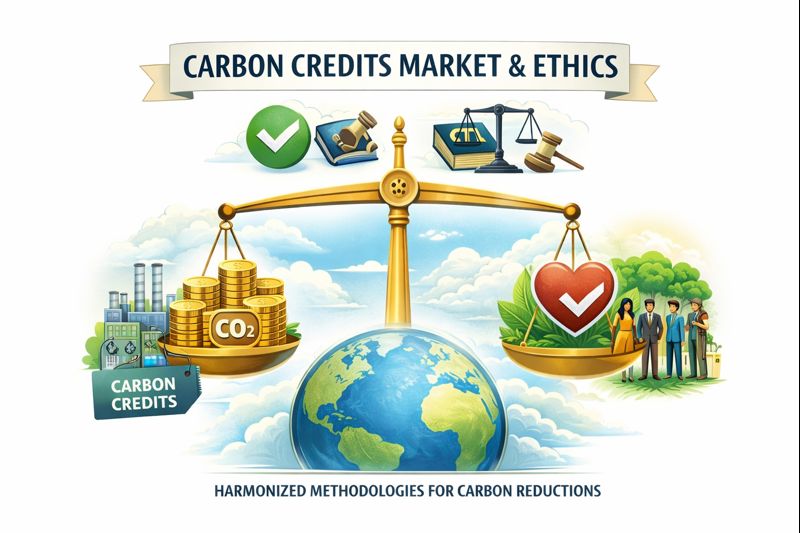
Knowledge Hub When first discovering carbon credits and understanding how the market works, questions naturally arise about the ethical implications behind it. Given that the companies buying carbon credits are typically high-pollution industries, it might initially seem that the Voluntary Carbon Market (VCM) provides an easy way for them to bypass implementing sustainable practices by […]
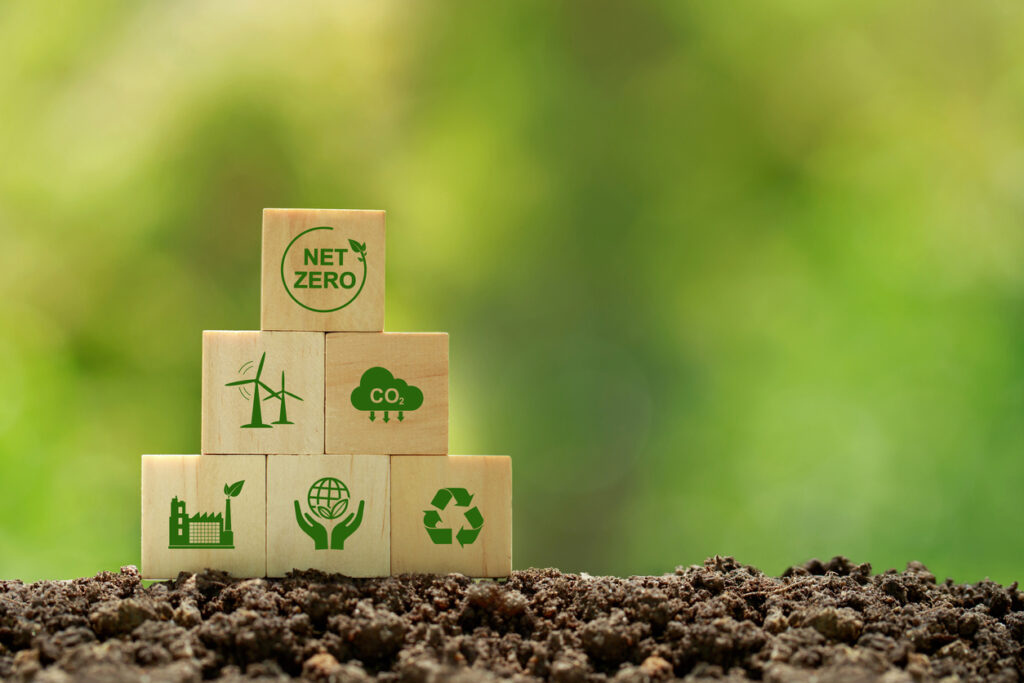
Knowledge Hub Carbon credits play a vital role in the global effort to reduce greenhouse gas emissions, but the methodology used to generate them significantly impacts the quality and accuracy of the credits issued. As the voluntary carbon market (VCM) continues to grow, the complexity of methodologies and increasing regulatory scrutiny are making the selection […]
Knowledge Hub Not all carbon credits are created equal. Certification by reputable standards ensures that a project’s carbon reductions are real, measurable, and additional (meaning they would not have occurred without the carbon finance). Among the most widely recognized standards in the voluntary carbon market are Verra’s Verified Carbon Standard (VCS) and the Gold Standard […]